
A cat that suddenly refuses a litter box is not being difficult. Avoidance is a message, and the message is rarely about attitude. It usually points to something uncomfortable, crowded, or unpredictable about the setup — the smell, the surface, the location, or the simple fact that the box no longer fits the animal using it. The frustrating part is that cats give very little explanation. They sniff, hesitate, and then choose the rug instead.
The good news is that most avoidance follows a handful of recognizable patterns. Once you know what to look for, you can work through them in order, changing one thing at a time and watching how your cat responds. This guide covers the most common causes and gives you a practical sequence for solving them without turning your home into an experiment.
Start With the Obvious Before You Get Creative
Owners often jump to stress or anxiety as the explanation, but the physical basics account for the majority of refusals. A cat litter box that stays too dirty is the single most common cause. Cats are fastidious, and a pan that holds clumps from several days ago reads as unusable. Scoop daily, replace litter fully on a schedule, and wash the box with mild soap and water rather than harsh cleaners with lingering fumes.
The second obvious cause is size. If your cat has to hang its rear over the rim or balance awkwardly while digging, the box is too small. That problem often appears slowly, not when the box is new. A kitten grows into a full-sized adult in a year, and a pan that was roomy in spring can become cramped by winter. Check the fit again if the box has been around for a while.
Signs That Point to a Physical Problem
Watch for specific behaviors. Digging in the corners but not using the center, squatting with the rear over the edge, entering and leaving repeatedly without eliminating, or meowing before and after use can each hint at discomfort. A box that is covered, deep, or hard to enter punishes the cat exactly where it is most vulnerable. If you see these patterns, simplify before you complicate: lower the entry, open the sides, and enlarge the space.
Rule Out Medical Causes
Before treating avoidance as a habit problem, consider health. Urinary issues, constipation, arthritis, and dental pain can all make a litter box feel like the wrong place to be. A cat with a painful bladder may associate the box with discomfort and avoid it, which then creates its own cycle of accidents. If the change is sudden, if your cat is older, or if you notice straining, blood, or frequent small trips, contact a veterinarian first. Behavioral fixes cannot solve a medical issue.
Rework the Environment, Not Just the Box
Once the basics are handled, look at the surrounding room. Location shapes whether a cat feels safe enough to use a box at all. A pan tucked beside a washing machine, a furnace, or a high-traffic doorway creates noise and surprise. Cats want a spot that is quiet, available, and offers a view of the exit without being in the middle of everything.
Number, Placement, and Privacy
A common guideline is one box per cat plus one extra, placed in different rooms rather than lined up in a row. Two cats sharing a single box in one corner is a recipe for tension even when neither is aggressive. Keep boxes away from food and water, and avoid enclosed cabinets unless your cat clearly prefers that privacy. If you live in a multi-level home, put a box on each floor so your cat does not have to travel far or cross a busy stairway.
Litter and Transition Trouble
Texture and scent are quietly decisive. A heavily scented litter can overwhelm a sensitive nose, and a sudden switch to a new material can feel like a different floor entirely. If you want to try a new litter, mix a small amount into the old one and increase the ratio over a week or two. Depth matters as well: aim for a few inches so your cat can dig and cover, and top up regularly as the level drops. If your cat scatters litter, a higher-sided pan solves the mess without removing comfort.
Rebuild the Habit Gently
After you fix the trigger, give your cat time to trust the box again. Place the cat in the box after meals and when it wakes, but do not hold it there. Praise calm use and clean accidents with an enzymatic cleaner so the old spot no longer smells like a bathroom. Scrubbing with ammonia-based cleaners can make things worse by leaving a scent that resembles urine.
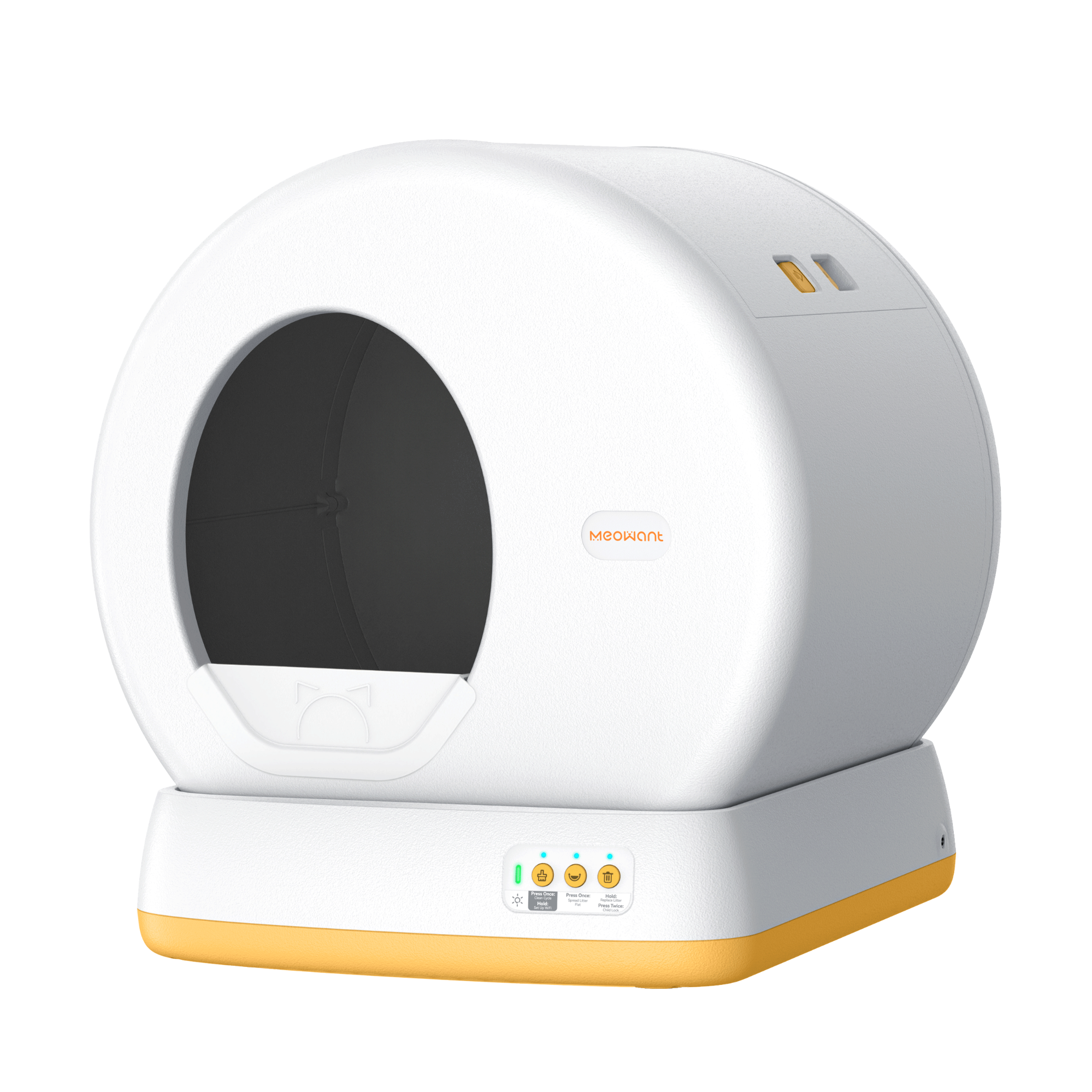
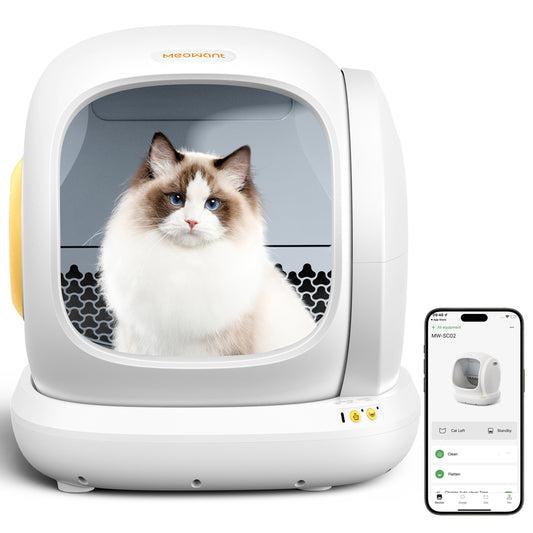
If fear is part of the picture — a loud noise, an unfamiliar pet, or a change in routine — reduce the pressure around the box rather than adding more boxes. Keep the room calm, avoid cornering your cat near it, and let curiosity do the work. In homes where the mess is the main complaint, a well-built covered design or a self-cleaning unit can reduce daily handling and keep the surface consistently fresh; brands such as Meowant build around that idea, with smooth interiors and drawers that empty quickly. The point is not convenience for its own sake, but a box that stays clean enough for a cat to keep trusting it.
Track changes for a week or two. If your cat returns to the box, you have found the answer. If not, revisit the list: cleanliness, size, location, litter, and health — in that order. Avoid changing several things at once, or you will not know which one worked.

Solving the Problem One Step at a Time
Litter box avoidance is rarely mysterious once you break it into parts. Cleanliness, size, placement, texture, and health explain most refusals, and each can be tested with a simple change. The key is patience: cats re-learn trust at their own pace, and rushing the process usually adds stress instead of removing it.
Work through the basics before spending money, give every change a fair chance, and watch what your cat actually does rather than what you assume it feels. When the box is clean, comfortable, and quietly placed, avoidance usually fades on its own — and the rug goes back to being just a rug.

